BPC-157, or Body Protection Compound 157, has developed a significant following in athletic and recovery communities worldwide. But behind the anecdotal enthusiasm is a genuine body of preclinical and emerging clinical evidence that makes it one of the most interesting healing peptides in current clinical use.
This guide explains what BPC-157 actually does, what the evidence shows, and how it is used in supervised clinical protocols.
What Is BPC-157?
BPC-157 is a synthetic pentadecapeptide (15 amino acid sequence) derived from a naturally occurring protein found in gastric juice. It was originally isolated and studied in the context of gastric ulcer healing research at the University of Zagreb, where researchers found it had extraordinary tissue-protective and repair-promoting properties.
What makes BPC-157 unusual is its apparent systemic activity: it promotes healing not just in the gut (where it was originally studied) but in tendons, muscles, ligaments, bone, nerves, and the gut-brain axis.
The Mechanisms Behind BPC-157's Healing Properties
BPC-157 promotes healing through several identified molecular mechanisms:
Angiogenesis Stimulation
BPC-157 stimulates the formation of new blood vessels (angiogenesis) in damaged tissue through upregulation of VEGF (vascular endothelial growth factor) and related pathways. New blood vessel formation is essential for delivering oxygen, nutrients, and immune cells to injured tissue.
Tendon and Ligament Repair
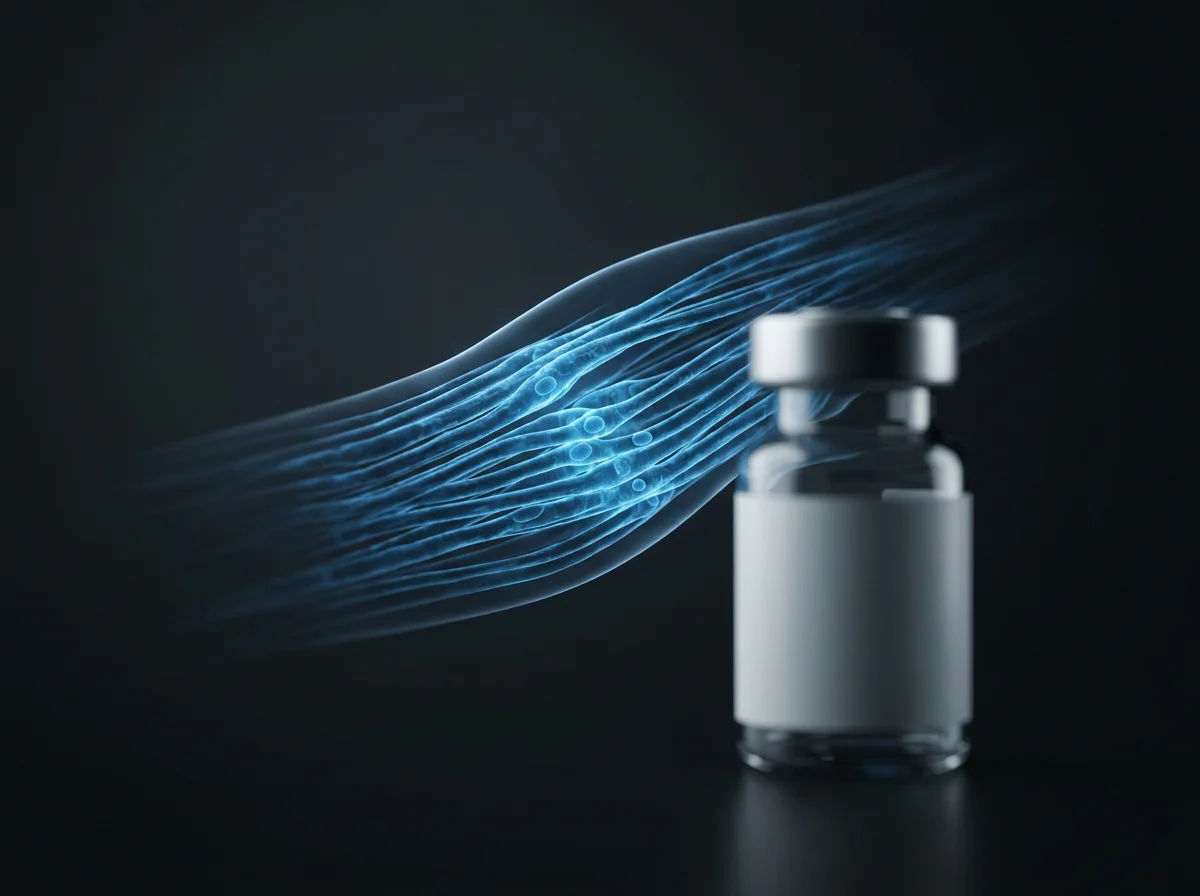
BPC-157 upregulates the expression of growth factor receptors in tenocytes (tendon cells), accelerating collagen synthesis and organisation. Multiple studies in animal models have shown dramatically accelerated tendon healing with BPC-157 compared to controls.
Muscle Healing
BPC-157 accelerates muscle repair after crush injury and laceration by stimulating satellite cell (muscle stem cell) proliferation and differentiation. This effect is relevant for athletes recovering from muscle tears.
Gut Repair
In its original application, BPC-157 heals gastric and intestinal ulcers, reduces intestinal inflammation, and protects the gut lining from damage. This makes it particularly useful as a supportive peptide during GLP-1 therapy, where GI stress is common.
Neurological Protection
BPC-157 has demonstrated neuroprotective effects in animal models of traumatic brain injury and peripheral nerve damage, including accelerated nerve regeneration.
What BPC-157 Is Used For Clinically
At Longegra, BPC-157 is used in supervised protocols for:
- Tendon and ligament injuries: Rotator cuff tears, Achilles tendinopathy, patellar tendinitis, tennis elbow
- Muscle tears and strains: Grade 1 and 2 muscle injuries, particularly for athletes needing to return to training quickly
- Chronic joint inflammation: As part of a broader recovery protocol
- Post-surgical recovery: Supporting tissue healing after orthopaedic procedures
- GI support: As a complement to GLP-1 or other therapies that stress the gastrointestinal tract
- Gut healing: Inflammatory bowel conditions, leaky gut syndrome, gut dysbiosis
Administration Routes
BPC-157 can be administered in two ways, and the choice influences where it acts most effectively:
- Subcutaneous injection: Produces systemic distribution; appropriate for tendon, muscle, and systemic healing applications
- Oral administration: Provides high local concentration in the gut; appropriate for GI healing applications
The Evidence: What the Research Shows
The majority of BPC-157 evidence comes from in vitro and animal studies, with human clinical trial data still limited. However, the mechanistic evidence is compelling:
- Multiple peer-reviewed animal studies show significantly accelerated Achilles tendon healing, with near-complete restoration at 14 days versus 28 days in controls
- Rotator cuff repair models demonstrate faster collagen organisation and tensile strength recovery
- Gut healing studies show complete gastric ulcer resolution at doses comparable to those used clinically
- No significant toxicity has been identified in published animal studies at therapeutic doses
Human case series and observational reports in athletes have been broadly consistent with the animal evidence, though larger randomised controlled trials remain needed.
Frequently Asked Questions (FAQs)
In the doses used clinically and based on available toxicology studies, BPC-157 appears to have a favourable safety profile with no significant adverse effects identified. It should always be used under physician supervision.