Most men start a GLP-1 program to lose weight. What many do not expect is to also see their testosterone levels improve.
This is not a coincidence. There is a direct, well-documented biological relationship between visceral fat and testosterone, and GLP-1 therapy sits precisely at the intersection of the two.
How Visceral Fat Suppresses Testosterone
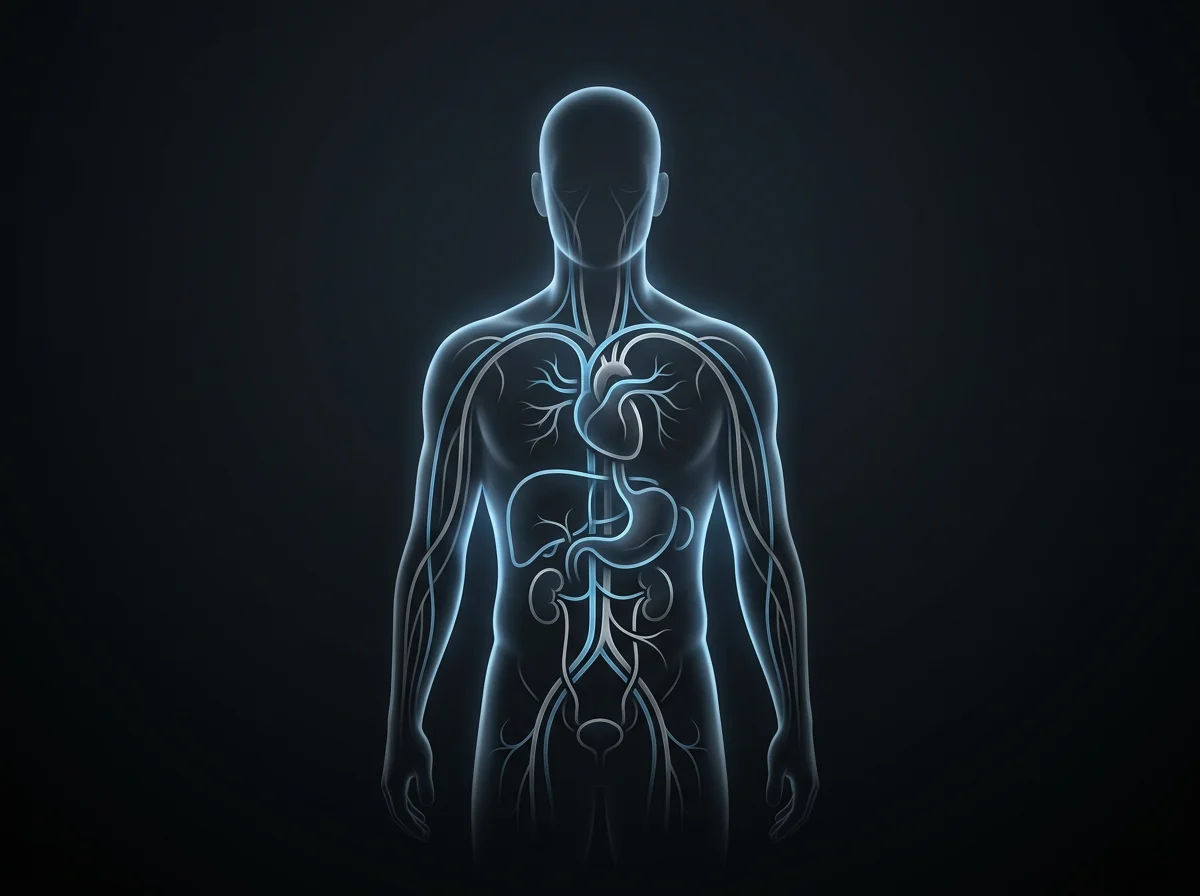
Fat tissue, particularly visceral fat, is not metabolically inert. It is an active endocrine organ that expresses the enzyme aromatase, which converts testosterone to oestradiol (oestrogen). The more visceral fat you carry, the greater this conversion, and the lower your effective testosterone level.
This creates a vicious cycle:
- Excess visceral fat increases aromatase activity
- Aromatase converts testosterone to oestradiol
- Lower testosterone reduces muscle mass and increases fat storage
- Increased fat further suppresses testosterone
GLP-1 therapy breaks this cycle by directly targeting visceral fat.
The Research: GLP-1 and Testosterone Improvement
Several clinical studies have examined the relationship between GLP-1 therapy and testosterone in men with obesity:
- A study published in Obesity found that semaglutide therapy produced a clinically meaningful increase in total testosterone in men with obesity, proportional to the degree of visceral fat reduction
- Research from the SCALE trial series showed that significant weight loss via liraglutide was associated with measurable testosterone increases in men with hypogonadism driven by obesity
- A 2023 meta-analysis in the Journal of Clinical Endocrinology and Metabolism confirmed that weight loss, regardless of method, produces testosterone improvement, with the greatest effect from interventions targeting visceral fat specifically
The clinical implication: for men whose low testosterone is secondary to excess visceral fat (rather than primary testicular or pituitary dysfunction), GLP-1 therapy may substantially improve testosterone without requiring direct hormonal intervention.
Who Benefits Most From This Effect
Not every man with low testosterone will see significant improvement from GLP-1 alone. The testosterone-boosting effect is most pronounced in men who meet these criteria:
- Overweight or obese with measurable visceral fat accumulation
- Low-normal or frankly low testosterone (below 400 ng/dL)
- Testosterone that has declined progressively with weight gain (secondary hypogonadism)
- No primary testicular pathology or pituitary disease
Men with primary hypogonadism (where the testes cannot produce testosterone regardless of body composition) will see less hormonal benefit from GLP-1 alone and may still require direct testosterone therapy.
Can GLP-1 Replace Testosterone Therapy?
For some men, yes. For men whose low testosterone is purely fat-driven, restoring metabolic health through GLP-1 therapy and associated lifestyle changes can bring testosterone back to the normal range without the need for exogenous testosterone.
For men with more severe hypogonadism, or those who need faster hormonal correction, GLP-1 can be used alongside testosterone support. The two approaches are not mutually exclusive, and at Longegra we design combined metabolic and hormonal protocols for men who need both.
Tracking Testosterone Throughout Your Program
At Longegra, total and free testosterone are included in the intake blood panel for every male patient. This establishes a baseline and allows us to track hormonal change alongside weight and metabolic markers throughout the program.
If your testosterone remains low despite meaningful visceral fat reduction, we will discuss whether additional hormonal support is appropriate.
Frequently Asked Questions (FAQs)
The magnitude of improvement varies. Published studies show average increases of 100 to 200 ng/dL in men with obesity-related hypogonadism, depending on the degree of weight and visceral fat lost. Some men see larger improvements; others less. Baseline testosterone and the extent of visceral fat reduction are the main predictors.