Most people who have heard of peptide therapy know about semaglutide, BPC-157, or growth hormone secretagogues. Very few know about kisspeptin, despite the fact that it may be the single most important regulatory peptide in the entire male reproductive hormonal cascade.
Kisspeptin is not a supplemental booster or a marginal intervention. It is the primary upstream activator of the hypothalamic-pituitary-gonadal (HPG) axis, the system that drives testosterone production. Understanding it opens a door to one of the most targeted natural testosterone optimisation strategies available in clinical medicine.
What Is Kisspeptin?
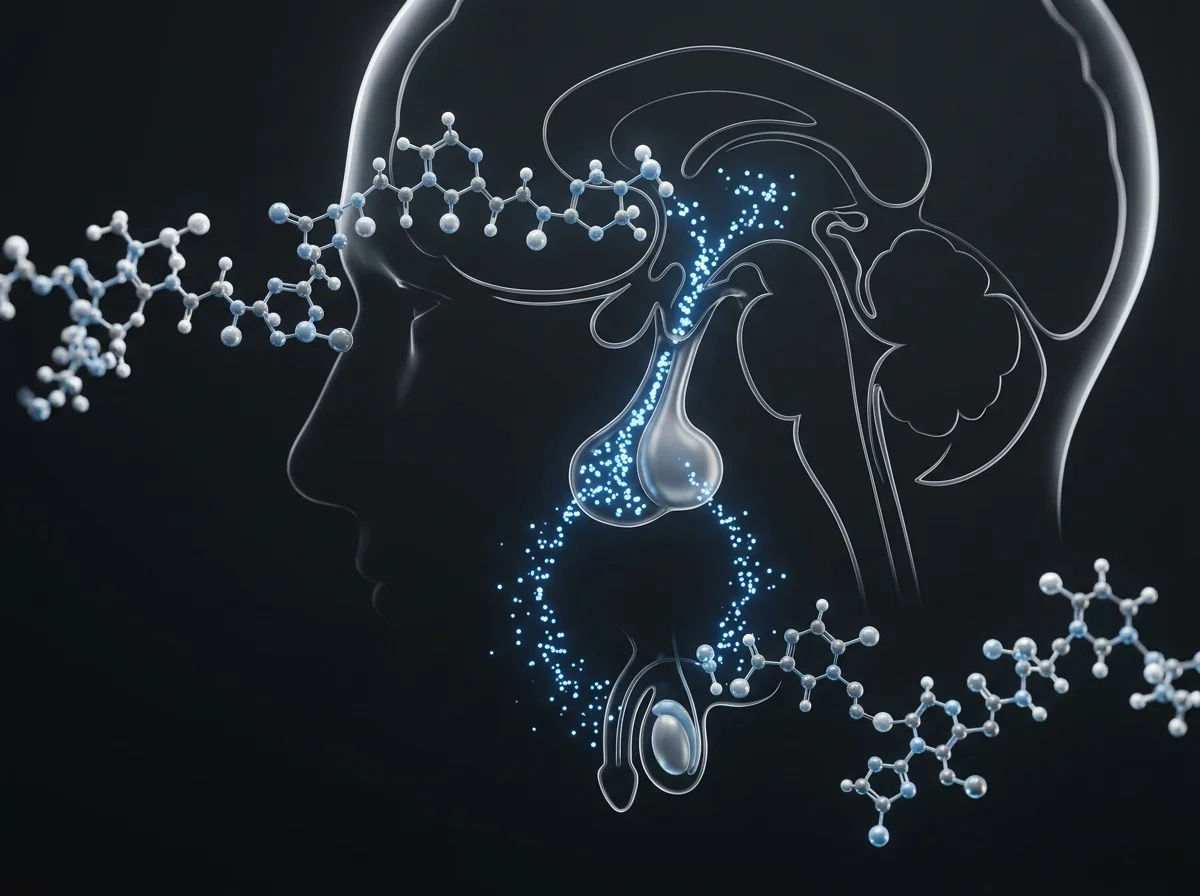
Kisspeptin is a neuropeptide produced by specialised neurons in the arcuate nucleus and anteroventral periventricular nucleus of the hypothalamus. It was discovered in the context of cancer metastasis research (it suppresses cancer cell migration, which explains its original designation as "metastin"), but its most significant clinical role was found to be in reproductive endocrinology.
The key function: kisspeptin neurons are the master regulators of GnRH (gonadotropin-releasing hormone) pulsatility. GnRH pulses from the hypothalamus are required to drive LH and FSH release from the pituitary, which in turn drive testicular testosterone production and sperm generation.
Without adequate kisspeptin signalling, GnRH does not pulse adequately, and the entire HPG axis underperforms.
Why Kisspeptin Declines
Several factors suppress kisspeptin signalling in men:
- Elevated oestradiol: Oestrogen provides negative feedback directly to kisspeptin neurons (this is the mechanism behind oestrogen-mediated testosterone suppression)
- Excess visceral fat: High aromatase activity in visceral fat elevates oestradiol, suppressing kisspeptin
- Chronic stress: Elevated glucocorticoids suppress kisspeptin neuron activity
- Ageing: Kisspeptin neuron density and activity decline with age, contributing to age-related hypogonadism
- Metabolic syndrome: Multiple metabolic stressors converge on the hypothalamus to suppress kisspeptin
Clinical Research: What Kisspeptin Does When Administered
Kisspeptin administration in men with hypogonadotrophic hypogonadism (low LH/FSH, impaired GnRH pulsatility) has been studied at multiple research centres. Findings include:
- Significant increase in LH pulse amplitude and frequency within hours of administration
- Meaningful increases in total testosterone in men with hypothalamic hypogonadism
- Restoration of GnRH pulsatility that persists beyond the immediate infusion window
- Improved reproductive hormonal profiles with preservation of feedback regulation
A 2013 study published in the Journal of Clinical Investigation demonstrated that kisspeptin administration could reactivate suppressed GnRH neurons and restore gonadotropin secretion in men with hypothalamic hypogonadism.
Who Is Kisspeptin Most Appropriate For?
Kisspeptin protocols are most likely to produce meaningful benefit in men with:
- Hypothalamic hypogonadism: Low LH and FSH with intact testicular function - the testes would produce testosterone if adequately signalled, but the upstream signal is insufficient
- Secondary hypogonadism with suspected GnRH deficiency: Particularly if oestradiol is elevated and LH is low-normal despite low testosterone
- Men on oestrogen-mediated suppression: Where aromatase inhibitor therapy or GLP-1-driven oestradiol reduction has partially restored LH but further stimulation is needed
- Fertility preservation as a priority: Kisspeptin stimulates FSH as well as LH, supporting spermatogenesis alongside testosterone
Kisspeptin at Longegra
Kisspeptin is part of Longegra's advanced hormonal optimisation protocols, available for appropriate candidates identified through comprehensive HPG axis assessment. It represents the cutting edge of natural testosterone stimulation and is used where conventional approaches are insufficient.
As with all Longegra protocols, kisspeptin use is preceded by a full hormonal panel (including LH, FSH, GnRH-stimulation testing where applicable, oestradiol, and total and free testosterone) and is monitored throughout the program.
Frequently Asked Questions (FAQs)
They work through different points in the HPG axis. Enclomiphene acts at the hypothalamus and pituitary by blocking oestrogen feedback. Kisspeptin activates GnRH neurons directly. For some patients, combination may be more effective than either alone. Your Longegra physician will assess which approach is most appropriate based on your hormonal profile.