Semax is a heptapeptide analogue of ACTH (adrenocorticotrophic hormone) fragments, developed in Russia in the 1980s and now approved for use in Russia and Ukraine for cognitive enhancement, stroke recovery, and neuroprotection. It represents a category distinct from conventional stimulants (caffeine, amphetamines) or anxiolytics: a neuropeptide that enhances cognitive function by supporting the biological machinery of brain health rather than forcing stimulation or blunting anxiety.
What Semax Is and Where It Came From
Semax was developed at the Institute of Molecular Genetics of the Russian Academy of Sciences as part of a program investigating the neuroprotective properties of ACTH fragments. The natural ACTH fragments 4-10 showed cognitive effects in animals but had very short half-lives. Semax (ACTH 4-7 Pro-Gly-Pro) was engineered to retain the cognitive activity while dramatically improving stability and duration of effect.
It has been in active clinical use in Russia since the 1990s and has accumulated a body of clinical and preclinical data across multiple neurological applications.
How Semax Works: The BDNF Mechanism
The primary mechanism of Semax's cognitive effects is upregulation of BDNF (Brain-Derived Neurotrophic Factor) and related neurotrophins:
- BDNF: BDNF is the most important neurotrophic factor for synaptic plasticity and long-term potentiation (the cellular basis of memory formation). Semax significantly increases BDNF expression in hippocampal and cortical tissue.
- NGF (Nerve Growth Factor): Semax also increases NGF expression, supporting cholinergic neuron maintenance relevant to memory and attention.
- BDNF receptor signalling (TrkB): Semax enhances TrkB receptor sensitivity, amplifying the effects of whatever BDNF is present in the brain.
Beyond BDNF, Semax:
- Reduces neuroinflammation through modulation of microglial activation
- Increases dopamine turnover in the prefrontal cortex, improving executive function and working memory
- Upregulates serotonin levels, contributing to mood stability alongside cognitive enhancement
- Provides neuroprotection against oxidative stress and ischaemic injury in brain tissue
Cognitive Effects: What the Evidence Shows
In Healthy Adults
Studies in healthy adults have demonstrated improvements in:
- Working memory (holding and manipulating information in real time)
- Attention and focus (particularly sustained attention under load)
- Processing speed
- Learning and memory consolidation
These effects are particularly pronounced under conditions of cognitive load or stress.
In Neurological Conditions
Semax is approved in Russia for:
- Stroke rehabilitation (improving neurological recovery and cognitive outcomes)
- Traumatic brain injury recovery
- Optic nerve disorders (neuroprotective applications)
The neuroprotective data from these clinical applications provides a strong mechanistic foundation for its use in preventive cognitive health contexts.
Administration
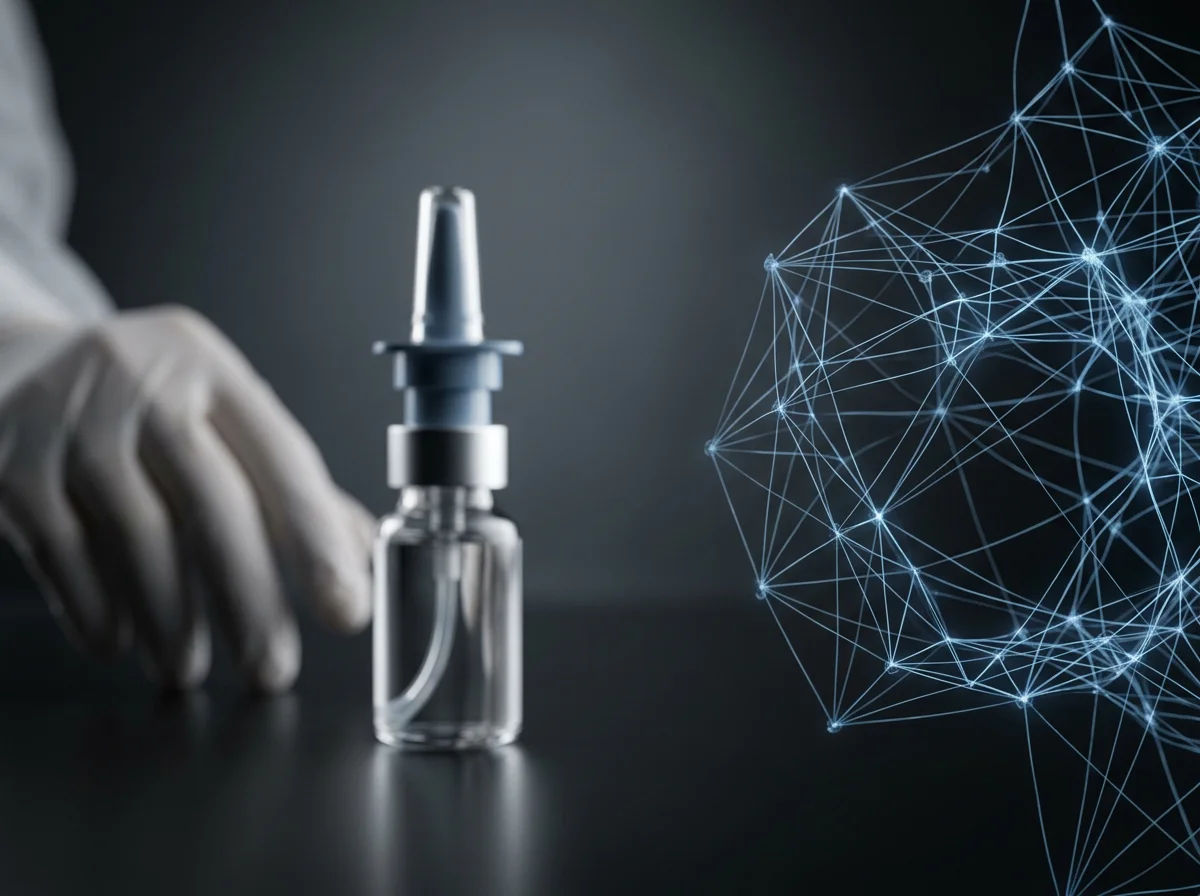
Semax is available in intranasal (nasal drop) form, which allows direct CNS delivery through the olfactory route. This bypasses the blood-brain barrier issue that limits many neuropeptides.
- Standard dose: 0.1% solution, 1 to 3 drops per nostril (approximately 600 mcg total), once or twice daily
- Higher potency form: 1% solution for specific neurological applications
The intranasal route produces effects within 30 to 60 minutes in most users.
Cycling Protocols
Unlike stimulants, Semax does not produce tolerance with regular use due to its neuroplasticity-enhancing mechanism. However, cycling (five days on, two days off, or similar patterns) is the standard approach to maintain the novel neuroplasticity stimulus while allowing periods of consolidation.
Semax vs Conventional Nootropics
| Factor | Semax | Caffeine | Modafinil |
|---|---|---|---|
| Mechanism | BDNF upregulation, neuroprotection | Adenosine antagonism | Dopamine/noradrenaline reuptake inhibition |
| Cognitive effect | Memory, focus, neuroplasticity | Short-term alertness | Wakefulness, focus |
| Tolerance | Minimal | Yes (caffeine habituation) | Some |
| Dependence risk | None | Mild | Low to moderate |
| Neuroplasticity effects | Yes (BDNF-driven) | No | No |
| Anxiety side effect | None (may reduce anxiety) | Yes (dose-dependent) | Some |
| Long-term neuroprotection | Evidence-based | None | None |
The Semax and Selank Combination
Semax and Selank are frequently used together because they address complementary cognitive dimensions:
- Semax: drives BDNF, focus, memory formation, processing speed
- Selank: reduces anxiety, stabilises mood, reduces neuroinflammation
The combination provides cognitive enhancement alongside emotional regulation, addressing both the performance and the stress-resilience aspects of cognitive optimisation.
Frequently Asked Questions (FAQs)
No. Semax does not produce the heart rate elevation, blood pressure increase, or nervous system arousal associated with stimulants. Its cognitive effects come from supporting the biological infrastructure of brain function (BDNF, neuroplasticity, neuroprotection) rather than forcing stimulation through neurotransmitter flooding.