Sleep and testosterone are inextricably linked. Not in the way many people assume (that sleep is just "rest" that enables testosterone), but in a precise, physiologically direct way that makes optimising one without addressing the other fundamentally incomplete.
If your testosterone is low, sleep quality is almost certainly impaired. If your sleep is consistently poor, your testosterone will be meaningfully suppressed. The relationship is bidirectional, and the cycle is one of the most damaging in men's health.
How Sleep Drives Testosterone Production
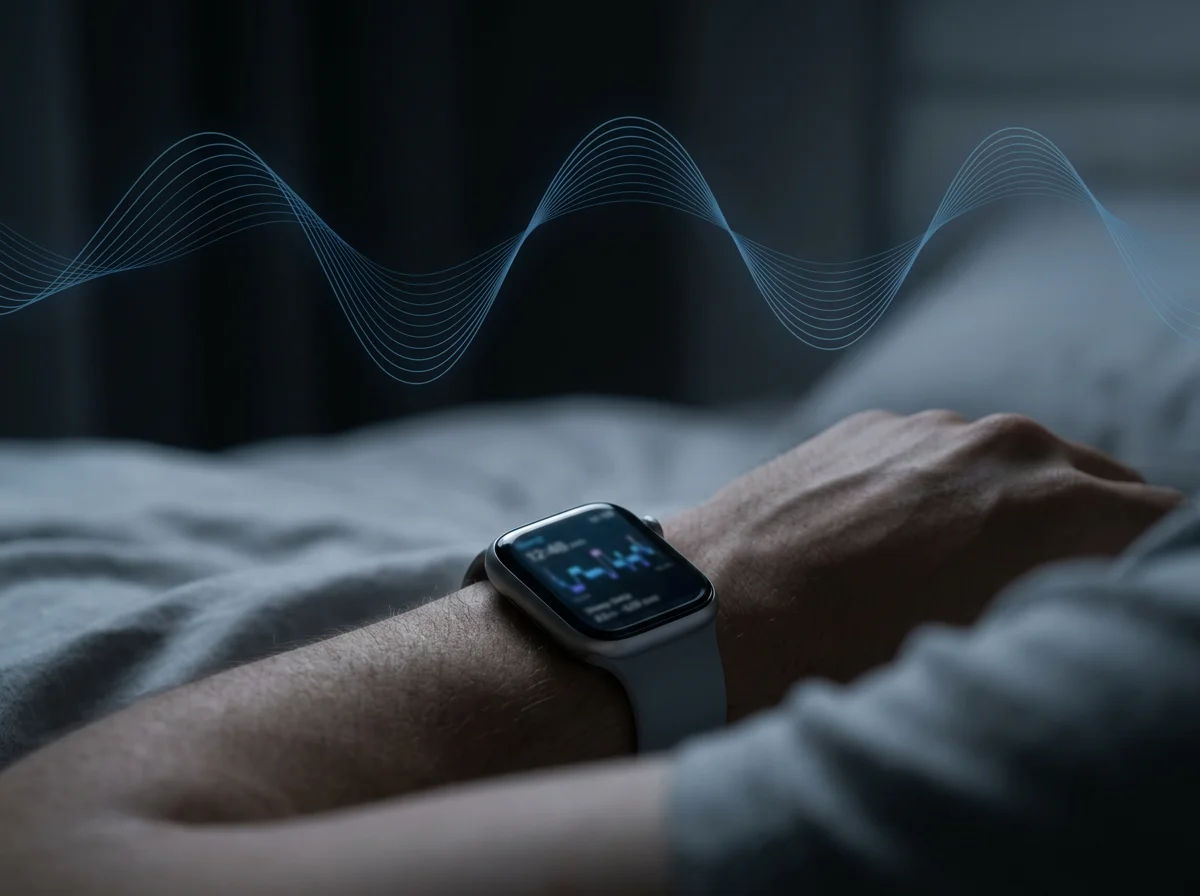
The majority of daily testosterone production occurs during sleep, specifically during slow-wave (deep) sleep. The hypothalamus releases GnRH pulses in a sleep-entrained pattern, with the greatest pulsatility occurring in the first two to three hours of deep sleep.
The clinical consequence: men who consistently sleep fewer than six hours per night have testosterone levels equivalent to men 10 to 15 years older. A 2011 study published in JAMA demonstrated that one week of sleep restriction to five hours per night reduced daytime testosterone levels by 10 to 15 percent in healthy young men.
Sleep architecture matters as well as duration. Even if total sleep time is adequate, fragmented sleep with reduced slow-wave stages produces lower testosterone than consolidated deep sleep of the same duration.
How Low Testosterone Disrupts Sleep
The relationship is bidirectional. Low testosterone disrupts sleep through several mechanisms:
Reduced Sleep Efficiency
Testosterone receptors are present in sleep-regulating brain regions. Low testosterone is associated with reduced sleep efficiency (percentage of time in bed actually asleep), more frequent night awakenings, and reduced slow-wave sleep.
Sleep Apnoea Risk
Obesity associated with low testosterone increases the risk of obstructive sleep apnoea. Sleep apnoea then fragments sleep architecture and further suppresses testosterone through the nocturnal hypoxia and arousal it produces. This is a particularly vicious cycle, as treating one component requires addressing both.
Mood and Anxiety
Low testosterone increases baseline anxiety and depressive symptoms, which directly impair sleep onset and sleep quality through hyperarousal of the stress response.
Night Sweats and Thermoregulation
Testosterone influences thermoregulatory function. Low testosterone is associated with impaired body temperature regulation during sleep, which in men over 40 sometimes presents as night sweats similar to those experienced by women during menopause.
Peptides That Improve Both Sleep and Testosterone
Several peptides address the testosterone-sleep relationship from multiple angles:
Ipamorelin + CJC-1295
Growth hormone is released in the largest pulse during slow-wave sleep. Ipamorelin enhances GH pulsatility, deepening slow-wave sleep and improving sleep architecture. Improved sleep quality then secondarily supports testosterone production. This GH-sleep-testosterone connection makes growth hormone secretagogues one of the most clinically useful cross-axis peptides available.
Epitalon
Epitalon (epithalon) is a tetrapeptide derived from the pineal gland that supports melatonin production and circadian rhythm regulation. By normalising the circadian clock, it improves sleep onset, sleep depth, and nocturnal GH and testosterone pulsatility.
DSIP (Delta Sleep-Inducing Peptide)
DSIP specifically increases slow-wave sleep duration and depth, directly improving the nocturnal hormonal environment for both GH and testosterone production.
The Longegra Sleep-Testosterone Protocol
At Longegra, we recognise that addressing testosterone without assessing sleep quality misses a critical modifiable factor. Our intake process includes questions about sleep architecture, and where sleep quality is significantly impaired, we may recommend a combined approach:
- Testosterone optimisation protocol (appropriate to your HPG axis status)
- Sleep peptide support (Ipamorelin/CJC-1295, Epitalon, or DSIP depending on the primary sleep issue)
- Sleep hygiene guidance integrated into the program
Frequently Asked Questions (FAQs)
The evidence consistently points to seven to nine hours of sleep per night as the range associated with peak testosterone production. Below seven hours produces measurable testosterone suppression. Sleep quality (deep, consolidated sleep) matters as much as duration.