Peptides have rapidly become one of the most talked-about breakthroughs in the worlds of longevity, anti-aging, and performance medicine. From Hollywood celebrities to elite athletes and top-tier executives, many are turning to peptide therapy to optimize their health.
But what exactly are they, and how do they work?
In this comprehensive guide, we will break down the science of peptides, explain how they interact with your body at a cellular level, and explore why targeted peptide therapy is the future of preventative medicine in India.
The Science: What Exactly is a Peptide?
At a fundamental biological level, a peptide is a short chain of amino acids.
You can think of amino acids as the building blocks of life. When a large number of amino acids (typically more than 50) link together, they form a protein - like the muscle tissue in your body or the whey protein in your shake. When a smaller number link together, they form a peptide.
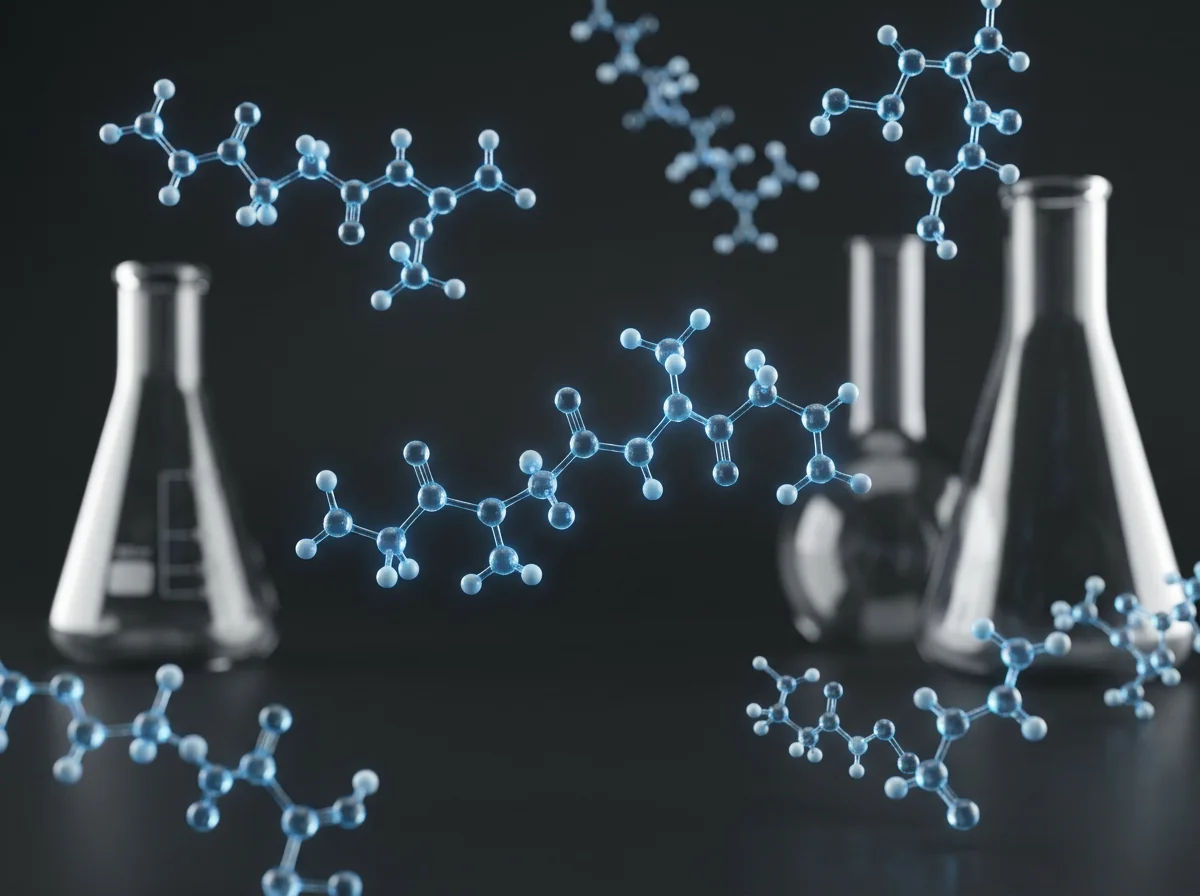
Your body naturally produces over 7,000 different known peptides, each with a highly specific job. They act as biological messengers or signaling molecules. They travel through your bloodstream, bind to specific receptors on the surface of your cells, and tell your body exactly what to do - whether that's to heal a torn tendon, burn visceral fat, regulate your sleep cycle, or produce more skin-firming collagen.
How Does Peptide Therapy Work?
Because peptides are naturally occurring and highly specific, they are incredibly efficient. Peptide therapy involves administering specific, bio-identical peptides to trigger a desired biological response.
When introduced into the body (usually via a painless subcutaneous injection for maximum absorption), they bind to cellular receptors like a key fitting into a lock.
This targeted, "lock-and-key" approach means that peptides can trigger specific responses with a high degree of precision. Unlike traditional pharmaceuticals that often flood the system and cause widespread side effects, peptides deliver a precise message to a specific type of cell, and then naturally break down into harmless amino acids.
Top Benefits and Uses of Peptides
Peptide therapy is not a one-size-fits-all treatment. Because there are thousands of peptides, clinicians can curate highly personalized protocols based on your bloodwork and health goals.
Here are the most common applications for peptide therapy today:
1. Weight Loss and Metabolic Health (GLP-1)
Perhaps the most famous peptides in the world right now are GLP-1 receptor agonists (such as Semaglutide, Tirzepatide, and Retatrutide). These peptides mimic the natural hormones that regulate appetite, slow gastric emptying, and stabilize blood sugar, leading to profound and sustainable weight loss.
2. Muscle Recovery and Tissue Healing
For athletes and those recovering from surgery, peptides like BPC-157 (Body Protection Compound) and TB-500 are game-changers. They promote angiogenesis (the creation of new blood vessels), drastically accelerating the healing of muscles, tendons, ligaments, and even the gut lining.
3. Anti-Aging and Longevity
As we age, our cellular repair mechanisms slow down. Longevity peptides like Epitalon, NAD+, and MOTS-c are actively studied for their ability to protect DNA, improve mitochondrial function, and potentially slow the biological aging process.
4. Hormone Optimization and Vitality
Instead of replacing hormones directly (like in traditional TRT), secretagogue peptides like Sermorelin and Ipamorelin stimulate your pituitary gland to naturally produce and release its own Human Growth Hormone (HGH). This results in improved muscle tone, deep restorative sleep, and reduced body fat without shutting down your body's natural production.
The Problem: Aging and Declining Peptide Production
If our bodies naturally produce peptides, why do we need peptide therapy?
The answer is aging. Starting in our late 20s and early 30s, our body's natural production of essential peptides and hormones begins a steady decline. This drop is the root cause of many common signs of aging:
- Slower recovery times after workouts
- Accumulation of stubborn belly fat
- Decreased energy and brain fog
- Reduced skin elasticity and wrinkles
Traditional medicine often treats these symptoms individually with band-aid solutions. Peptide therapy aims to address the root cause by restoring the body's natural signaling processes to youthful levels.
Frequently Asked Questions (FAQs)
When prescribed by a licensed clinician and sourced from a regulated compounding pharmacy, bio-identical peptides are generally considered very safe. Because they mimic naturally occurring molecules in your body, they typically have a much lower risk profile and fewer side effects than synthetic drugs.